 English
 Français
 Español
 Português
 中国人
中国人
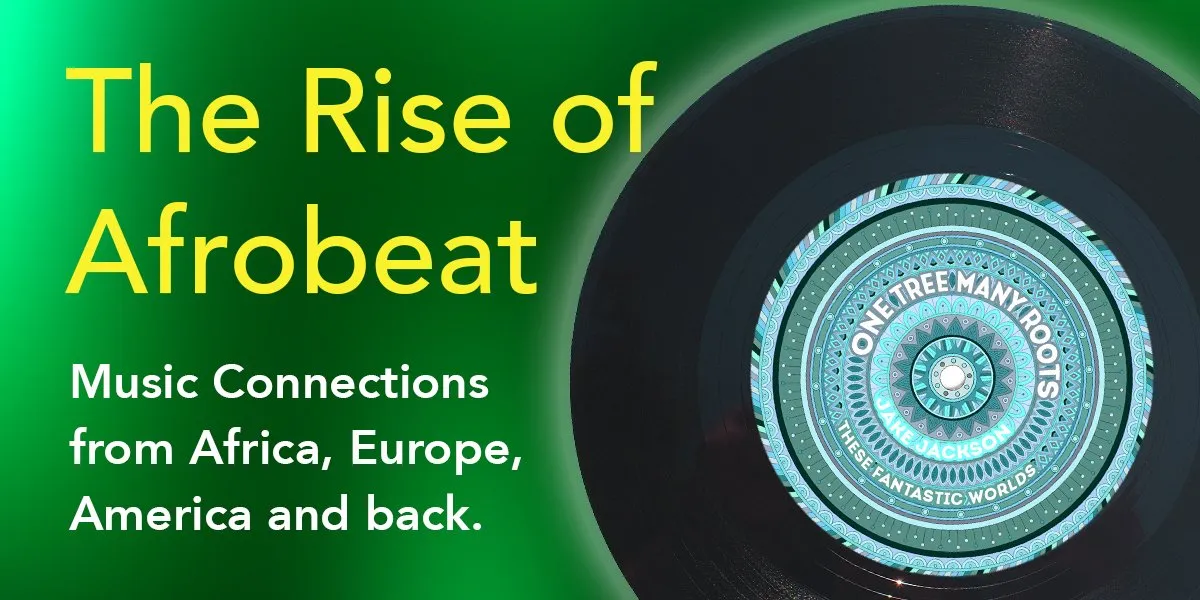
The Rise of Afrobeats: How Ghanaian Music Is Taking Over the World Afrobeats has become one of the most influential global music movements of the 21st century, filling dance floors, topping international charts, and shaping pop culture worldwide. While the genre is often associated broadly with West Africa, Ghana has played a pivotal—and sometimes understated—role in Afrobeats’ rise to global prominence. Rooted in rich musical traditions and driven by innovation, Ghanaian music is now unmistakably part of the world’s soundtrack. Deep Roots, Modern Sound Ghana’s influence on Afrobeats begins with its musical heritage. Highlife, which emerged in Ghana in the early 20th century, blended traditional rhythms with Western instruments and melodies. This genre laid the groundwork for modern Afrobeats by introducing danceable grooves, storytelling lyrics, and melodic structures that still echo in today’s hits. As hip-hop, dancehall, and R&B entered West Africa in the late 1990s and early 2000s, Ghanaian artists began fusing these global sounds with highlife, hiplife (a Ghanaian blend of highlife and hip-hop), and local languages such as Twi and Ga. The result was a fresh, hybrid sound that felt both local and global—perfectly positioned for international appeal. Artists Driving Global Recognition Ghanaian artists have been instrumental in pushing Afrobeats beyond Africa’s borders. Musicians like Sarkodie, Stonebwoy, Shatta Wale, King Promise, Gyakie, Black Sherif, and Amaarae have attracted international audiences through collaborations, streaming platforms, and viral moments on social media. Amaarae’s genre-bending style has found acclaim in fashion and music circles alike, while Black Sherif’s emotionally charged storytelling resonates with youth worldwide. These artists don’t just follow trends—they shape them, proving that Ghanaian music can be experimental, authentic, and globally relevant at the same time. Digital Platforms and the Diaspora Effect Streaming services and social media have been crucial to Ghanaian music’s global rise. Platforms like YouTube, Spotify, and TikTok allow artists to reach audiences without traditional industry gatekeepers. A song released in Accra can trend in London, New York, or Berlin within days. Equally important is the Ghanaian diaspora, which acts as a cultural bridge. DJs, creatives, and fans abroad champion Ghanaian sounds in clubs, festivals, and online spaces, helping Afrobeats gain traction in international markets. Culture Beyond the Music Ghanaian Afrobeats is not just about sound—it’s about identity. Fashion, dance, language, and visual aesthetics are all part of the export. Music videos showcase Accra’s vibrant street life, while lyrics celebrate African pride, ambition, love, and resilience. This cultural authenticity is a major reason global audiences connect with the music. A Global Future As Afrobeats continues its global ascent, Ghana’s role is only growing stronger. With increasing international collaborations, major festival appearances, and recognition from global award platforms, Ghanaian artists are no longer emerging—they are established players on the world stage. The rise of Afrobeats is a collective African story, but Ghana’s voice within it is distinct, powerful, and impossible to ignore. From highlife roots to global charts, Ghanaian music isn’t just taking over the world—it’s redefining what global music sounds like.
Recent Posts
The Impact of Technology on Ghana’s Economy
Jan 20, 2026

Ghana's Sports Heroes
Jan 19, 2026
Ghana's Film Industry
Jan 19, 2026