English
 Français
 Español
 Português
 中国人
中国人
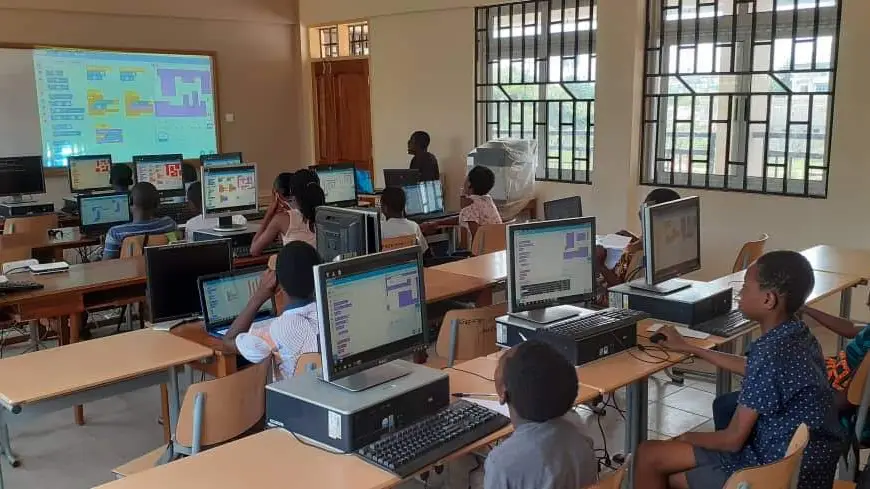
The Impact of Technology on Ghana’s Economy
Technology has become a major driver of economic transformation in Ghana. Over the past two decades, advancements in information and communication technology (ICT), digital finance, agriculture, health, and education have reshaped how businesses operate, how government delivers services, and how citizens participate in the economy. While technology has created new opportunities for growth and inclusion, it has also introduced challenges that Ghana must address to fully realize its benefits.
1. Technology and Economic Growth
Technology has contributed significantly to Ghana’s economic growth by improving productivity and efficiency across key sectors. Digital tools enable businesses to reduce costs, reach wider markets, and operate more competitively. Small and medium-sized enterprises (SMEs), which form the backbone of Ghana’s economy, now use mobile phones, social media, and e-commerce platforms to advertise products, manage payments, and engage customers beyond their local communities.
2. Financial Technology (FinTech) and Financial Inclusion
One of the most visible impacts of technology in Ghana is in the financial sector. Mobile money services have transformed the way people save, transfer, and receive money. This has increased financial inclusion, especially in rural areas where access to traditional banking services is limited. Digital payments have also improved business transactions, reduced cash-handling risks, and supported government efforts in revenue collection and social intervention programs.
3. Technology in Agriculture
Agriculture remains a key sector of Ghana’s economy, and technology has improved its efficiency and output. Farmers increasingly use mobile applications and digital platforms to access weather forecasts, market prices, and farming best practices. Mechanization, improved irrigation systems, and modern storage technologies help reduce post-harvest losses and increase productivity, contributing to food security and export growth.
4. Job Creation and the Digital Economy
Technology has created new job opportunities in areas such as software development, digital marketing, data analysis, and online entrepreneurship. The rise of tech hubs and startups, particularly in cities like Accra and Kumasi, has fostered innovation and youth employment. Freelancing and remote work also allow Ghanaians to earn income from global markets, increasing foreign exchange inflows.
5. Government Services and Digitalization
The adoption of digital systems in public administration has improved transparency, efficiency, and service delivery. Online platforms for tax filing, business registration, passport applications, and national identification have reduced bureaucracy and corruption. These improvements enhance investor confidence and support economic development.
6. Challenges of Technological Advancement
Despite its benefits, technology also presents challenges. Limited access to reliable internet, high data costs, and inadequate digital skills can widen inequality between urban and rural areas. Cybersecurity threats, digital fraud, and job displacement due to automation are additional concerns. Addressing these challenges requires strong policies, investment in infrastructure, and continuous skills development.
7. Conclusion
Technology has had a profound and largely positive impact on Ghana’s economy. It has improved productivity, expanded financial inclusion, created jobs, and enhanced public service delivery. To sustain these gains, Ghana must invest in digital infrastructure, education, and innovation while addressing issues of access, security, and inequality. With the right strategies, technology can continue to serve as a powerful engine for inclusive and sustainable economic growth in Ghana.